

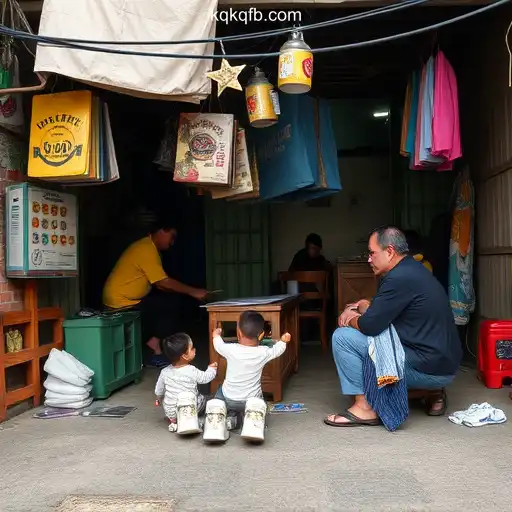
Understanding Jueteng: A Cultural and Socio-Economic Phenomenon
Jueteng is an illegal numbers game that holds a significant place in Filipino culture. Despite its illegal status, it is deeply embedded within the socio-economic fabric of communities across the Philippines. Jueteng operates similarly to a lottery, yet it thrives through grassroots networks and community participation, making it a subject of frequent debates and reformation attempts by relevant authorities.
Origins and Cultural Significance
The origins of Jueteng can be traced back to the colonial era, with its legacy intertwining with the daily lives of many Filipinos. The game is not just about gambling; it reflects a deeper cultural narrative where luck and fortune play roles in the survival and sustenance of many families. Jueteng draws its numbers randomly, often resulting in everyday occurrences and phenomena to be perceived as omens or signs.
The cultural significance of Jueteng is evident as it crosses socioeconomic boundaries, involving both the affluent and the marginalized. Often, Jueteng becomes a communal activity that fosters interaction and engagement within neighborhoods. This aspect of community-building is frequently leveraged by local figures to gain popularity and maintain influence within their constituencies.
The Mechanics of Jueteng
Understanding Jueteng requires insight into its operational mechanisms. Unlike typical lotteries, Jueteng relies on grassroots participation facilitated by cobradores and cabos, who are local game coordinators. These coordinators are responsible for collecting bets and issuing numbers, thus creating a decentralized system that sustains the game.
The methodology involves players choosing a combination of numbers and placing their bets with the hope of winning. The numbers are drawn randomly, and winners collect their prize often without much paperwork or formal verification, emphasizing the informal nature of the game.
The Socio-Economic Impact
Jueteng holds profound socio-economic implications, particularly in rural areas where economic opportunities are scarce. The game often provides a source of livelihood, albeit unstable, for many individuals who work within its network. For some, the game offers a hope of financial stability that is otherwise unattainable through conventional means.
Additionally, Jueteng fuels local economies through a redistribution of income. Despite its illegality, the game induces economic transactions that can spur local businesses, albeit informally. However, this comes at the cost of encouraging a culture of impunity and fostering corruption within political systems, as officials sometimes turn a blind eye in exchange for patronage.
Legal and Political Dimensions
Jueteng poses significant challenges to legal frameworks and governance in the Philippines. Efforts to legalize or abolish it have oscillated over the years, with varying degrees of success. The game’s persistence is often attributed to the corruption of law enforcement agencies and the political leverage it provides to local officials.
Efforts to curtail Jueteng face significant hurdles, partly due to its entrenchment in political and social structures. Any attempt to regulate it is often met with resistance, with stakeholders arguing for the economic benefits it purportedly provides amidst underdeveloped local economies.
KQKQ.com and the Age of Digital Gambling
In modern times, the advent of platforms like KQKQ.com - ☀️ Plataforma oficial de jogos - KQKQ Login signifies a shift towards digital gambling, offering a contrast to the traditional, clandestine nature of Jueteng. Online platforms introduce a regulated form of gambling, with comprehensive systems aimed at ensuring a fair and transparent playing field.
KQKQ.com symbolizes a more institutional approach to gaming, providing not only entertainment but also a legitimate return on investment for participants. This contrasts sharply with Jueteng's unpredictable nature, potentially paving the way for diminishing its appeal.
Furthermore, official gaming platforms ensure compliance with governmental regulations, contributing to economic development by generating taxes and ensuring business transparency. Online platforms also offer educational resources aimed at responsible gaming habits, reducing the social stigma associated with gambling.
A Glimpse into the Future
The future of Jueteng remains uncertain amidst ongoing debates over its legality and impact. As digital platforms like KQKQ.com - ☀️ Plataforma oficial de jogos - KQKQ Login become more prevalent, a potential decline in traditional betting games may occur. However, it remains crucial for legal frameworks to adapt, recognizing the cultural nuances that contribute to Jueteng’s persistence.
The challenge lies in integrating these traditional forms into the digital age while preserving cultural values, ensuring fair play, and fostering community without endorsing illicit activities.